Why Personalized Learning Matters

Every child learns differently. Some grasp concepts quickly, while others need more time or a different approach. This is especially true for those who are neurodivergent or gifted. I believe that embracing customized education strategies is essential to help each child thrive. When education adapts to the learner, it opens doors to confidence, curiosity, and success.
The Power of Customized Education Strategies
Customized education strategies focus on tailoring teaching methods and materials to fit the unique needs of each student. This approach recognizes that no two children are the same. For example, one child may find visual supports in my math book confusing, while they may enable a different child to succeed.
By using customized strategies, educators can:
Address individual strengths and challenges
Foster a love of learning by making lessons relevant and engaging
Build self-esteem through achievable goals
Encourage a growth mindset by celebrating individual milestones

How Customized Education Strategies Support Early Learners
Young children are at a critical stage of development. Their brains are rapidly growing, and early experiences shape their future learning. Customized education strategies help by:
Providing a safe space where children feel understood and valued
Allowing for pacing that matches each child’s readiness
Encouraging exploration and creativity without pressure
For example, a student with delayed fine motor development is likely to struggle with self-esteem in a traditional classroom. They are constantly comparing themselves to peers who are working on exactly the same tasks and who have received exactly the same instruction. It is easy to look to the left and write and decide that they aren't smart because their handwriting looks different. At Helix, that student has many fewer opportunities to compare their work to others. Instead, they compare their work today from their work a month ago, and celebrate that progress.
At Helix, our students know that we are all different ages, working on different goals, and able to do different things. We celebrate each other's milestones, regardless of how easy or difficult those skills seem to us. We celebrate reading first sentences and mastering multi-digit subtraction with equal enthusiasm!
How Do We Create a Personal Learning Plan?
Creating a personal learning plan is a thoughtful process that involves understanding the learner deeply and setting clear, achievable goals. It involves multiple components:
Academic Assessments
Anytime a new student joins Helix, we begin by administering a series of academic assessments. Assessments are chosen to give a holistic picture of student abilities, and administered in as low-pressure environment as possible.
Behavioral Observations
We take careful note of how each student moves through the school day. What activities or parts of the day are challenging for them? How do they respond to being challenged? When are they at their most excited and engaged?
Parent Input
Each parent at Helix completes a detailed reflection about their child's current skills, and their future goals.
Curriculum Selection
Based on academic assessments and behavioral observations, curriculum materials are chosen to best suit each student's learning needs.
Goal Development
Goals are written for each learner in each core learning area, taking into account parent input, assessment results, and behavioral observations. Goals are ambitious, but achievable. The SMART goal format is used to ensure that progress can be objectively monitored over time.
Documentation
Each family receives an initial learning plan within their first three weeks at Helix. Then, at the end of each quarter, families receive a detailed narrative progress report, providing feedback on progress toward goals as well as new goals for the next quarter.

Celebrating Progress Through Portfolios
At Helix, when one of our students finishes a particularly challenging piece of work, they almost always ask the same question "Can I put this in my portfolio?" Work portfolios are the secret sauce of personalized learning - they allow us to make progress visible for students and their families.
Throughout each quarter, students pull aside work that they are particularly proud of to include in their portfolio. This could be a math page, a puzzle, a writing sample, or even something like a Lego build (which we take a picture of). At the end of the quarter, students go through these items and choose 2-3 from each subject to highlight in their portfolio. Then, we look through their work from previous quarters. What differences do we see? Are there things that used to be challenging that are easy now? Students who are ready for writing complete their own reflections while other students dictate responses to a teacher.
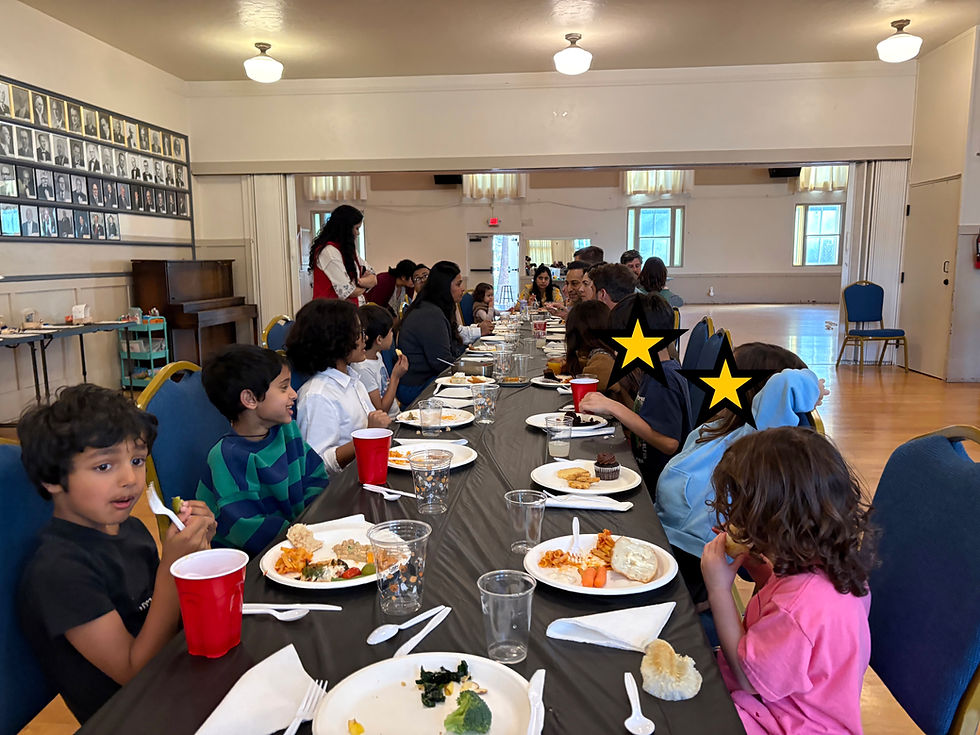
At the end of the quarter, we host a showcase for parents to come and see their children's portfolios. We come together as a community to celebrate the progress of all of our students, and to strengthen our bonds with each other.
Supporting Your Student's Learning Plan
Families play a crucial role in reinforcing learning and nurturing growth. Here are some practical ways to help at home:
Talk About Anxiety
Many neurodiverse learners feel some level of anxiety about their academic performance. Talk with your child's teacher about what they notice at school, and work together on a plan to support learning without creating counter-productive stress or pressure (for you or your child).
Follow the Child’s Lead
Capitalize an opportunities when your child expresses interest in learning or practicing something. If they like to draw, maybe a gentle nudge could encourage them to add some labels. If they are asking for a playdate, maybe they could write an invitation to their friend. They may enjoy practicing math facts with an ipad app, but not flashcards. Be flexible!
Embrace Imperfection
Perfectionism is a common struggle for twice-exceptional learners, and it can make every single moment of school more difficult than it needs to be. Embrace effort, not perfection. Our goal is always to do just a little better than we did yesterday.
Read
The best readers come from houses where everyone reads. Put down your tablet, and read a physical book. Reading to your kids is great, but showing them that reading is something that adults do and enjoy is just as powerful. Kids don't associate phones and computers with reading in the same way (they seem to assume we're always playing games), so stop by the library and check out an actual book for yourself, and let them see you reading it.
Play Outside
Kids need plenty of time to play. Enrichment classes and organized sports can be beneficial, but they are no substitute for unstructured play. Kids need practice making their own decisions, pursuing their own ideas, and making mistakes. Research consistently shows outdoor, unstructured play as one of the best things we can do for child health and well-being. Take your child outside and let them do their thing.
By weaving these strategies into daily life, families can create a consistent, supportive environment that complements personalized learning plans.
Looking Ahead: Building a Community Where Every Learner Thrives
Learning is a journey. It requires patience, openness, and collaboration. But the rewards are profound. When we commit to understanding and supporting each child’s unique needs, we build a community where all learners can shine.
At Helix Academy in Mountain View, CA, this vision comes to life. We provide a personalized learning environment that empowers diverse learners to reach their full potential. Together, families and educators create a space where curiosity blooms, challenges become opportunities, and every child feels valued.
If you’re interested in exploring how personalized learning plans can support your child’s growth, I encourage you to reach out! Embracing customized education strategies is a step toward a brighter, more inclusive future for all young learners.


Comments